Book Appointment Now
ENGINEERING / ARTICLE
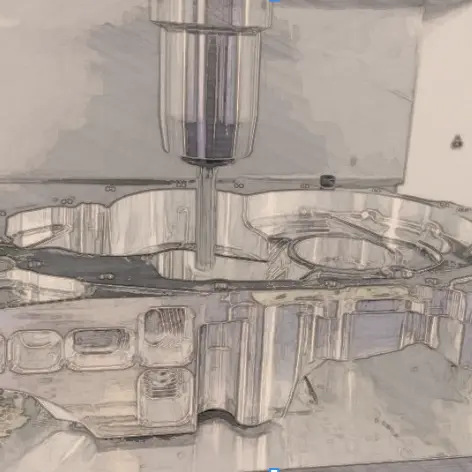
Optimizing Cutting Speed and Feed Rate for CNC Efficiency
Cutting speed is how fast the tool's cutting edge moves against the workpiece surface, measured in surface feet or meters per minute. Feed rate…

GC INDUS / THE ENGINEERING JOURNAL
Process knowledge, material choices and practical manufacturing guidance. Explore the details behind your next component.
ENGINEERING / ARTICLE
Cutting speed is how fast the tool's cutting edge moves against the workpiece surface, measured in surface feet or meters per minute. Feed rate…
ENGINEERING / ARTICLE
Orthogonal machining precision refers to the accuracy and surface quality achieved when a cutting tool engages a workpiece along a single, well-defined cutting edge...
ENGINEERING / ARTICLE
Learn how tapping threading CNC precision works, from tap types and methods to common failures, inspection, and when to choose thread milling instead.
ENGINEERING / ARTICLE
Learn how batch production manufacturing costs work, from setup and WIP to EBQ — and how to reduce them across pharma, automotive, and food…
ENGINEERING / ARTICLE
Master burr removal precision machining with this guide covering burr types, deburring methods, prevention strategies, and compliance standards. Discover.
ENGINEERING / ARTICLE
Design for manufacturability (DFM) in precision manufacturing means engineering parts so they can be produced consistently, accurately, and economically — without...
ENGINEERING / ARTICLE
Learn how metrology custom manufacturing improves precision, reduces scrap, and ensures compliance with ISO standards across tight-tolerance production environments.
ENGINEERING / ARTICLE
Learn how concurrent engineering precision manufacturing compresses timelines 30–50%, cuts ECOs by 40%, and aligns design with production from day one.
ENGINEERING / ARTICLE
Learn how runout tolerance CNC accuracy affects tool life, surface finish, and part quality—with specs, measurement methods, and troubleshooting steps.
ENGINEERING / ARTICLE
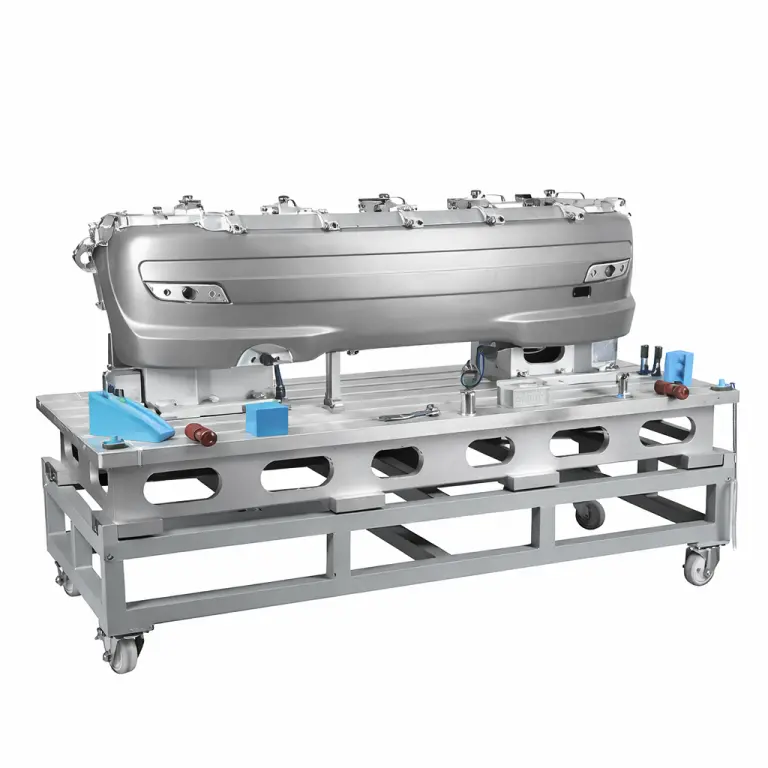
Learn how fixture design manufacturing repeatability ensures consistent part positioning, reduces scrap, and supports process control in CNC and assembly work.